

“Dr. Aris Thorne”
John DanielsBlog Details
The Science of Sound: Why Bitrate Matters for Your Ears
Decoding the Bitrate Mystery
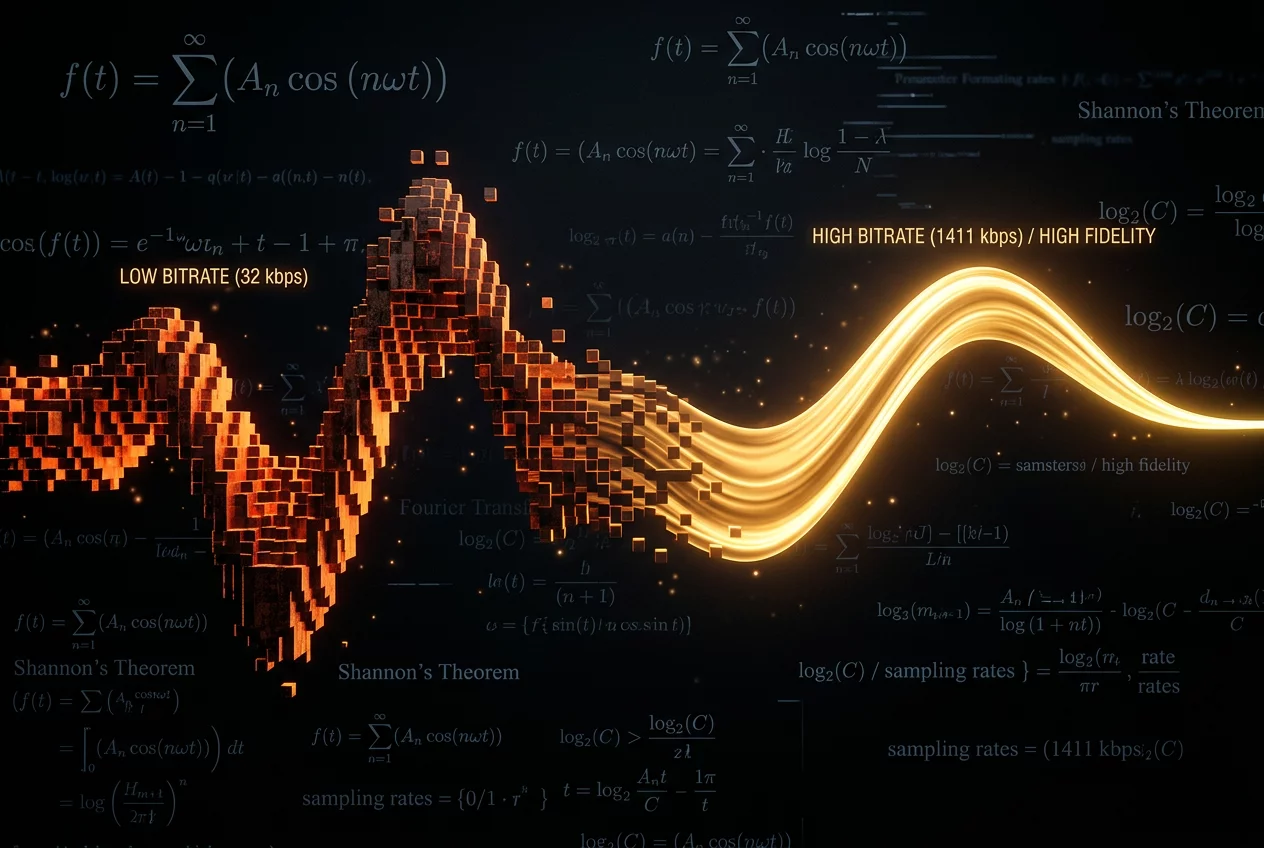
Bitrate is a term frequently mentioned in the world of digital audio, yet its actual impact on the listening experience is often misunderstood. In simple terms, bitrate refers to the amount of data processed per unit of time, usually measured in kilobits per second (kbps). A higher bitrate generally means more information is being used to describe the sound wave. This data density directly correlates with the accuracy of the audio reproduction. Understanding the science behind these numbers helps listeners make informed decisions about their music library.
The Math of Digital Audio
To convert an analog sound into a digital file, the system takes snapshots of the sound wave thousands of times per second. This is the sample rate. Each snapshot is then assigned a numerical value, which is the bit depth. The bitrate is the product of these factors. For a standard CD, the math is 44,100 samples per second multiplied by 16 bits per sample, across two channels. This results in a bitrate of 1,411 kbps. When we talk about MP3s at 320 kbps, we are looking at a file where over 70% of the original data has been removed through compression.
Psychoacoustics and Compression
Lossy compression relies on psychoacoustics, the study of how humans perceive sound. The human ear has limitations; for instance, a loud sound can mask a quieter sound at a nearby frequency. Compression algorithms identify these 'invisible' sounds and delete them to save space. At low bitrates like 128 kbps, the algorithm becomes aggressive, leading to audible artifacts like metallic-sounding cymbals or a collapsed soundstage. As the bitrate increases to 320 kbps, these artifacts become much harder for the average person to detect, though they still exist.
The Threshold of Human Hearing
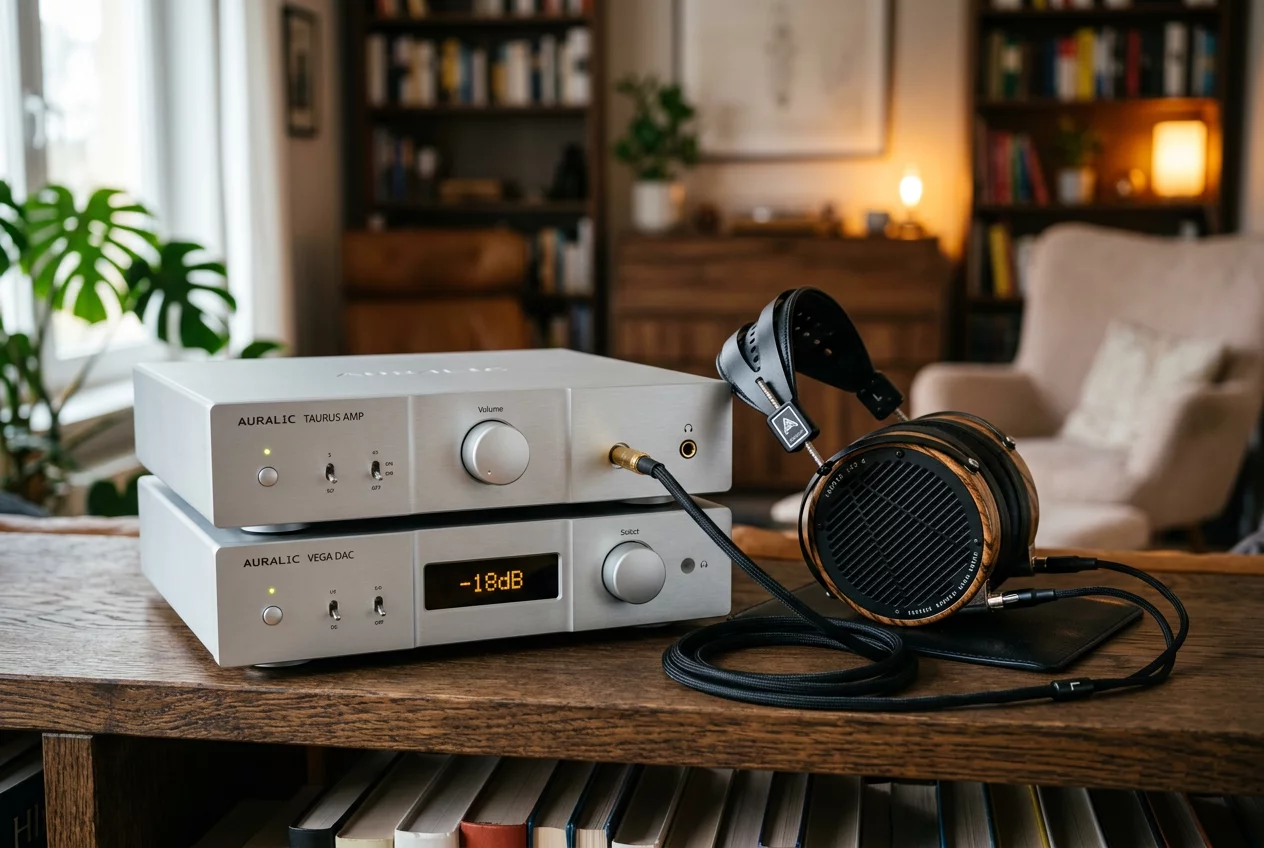
A common debate in the audiophile community is whether anyone can truly hear the difference between a high-bitrate lossy file and a lossless one. Scientific studies suggest that in blind tests, many listeners struggle to distinguish between a 320 kbps AAC file and a lossless FLAC file. However, the quality of the playback equipment plays a massive role. High-end headphones and speakers reveal the subtle textures and spatial cues that are often the first things lost during compression. For those with sensitive ears and quality gear, the extra data in a high-bitrate file provides a sense of 'air' and realism that compressed files lack.
Storage vs. Fidelity
Modern storage is cheap, making the argument for low-bitrate files less compelling than it was twenty years ago. A smartphone can now hold thousands of lossless tracks. When using a player like Turnexedic, the software handles high-bitrate streams effortlessly, ensuring that no bottlenecks occur during playback. Choosing the highest available bitrate ensures that the library is future-proof. Even if the current speakers cannot reveal every detail, a future upgrade to better hardware will immediately unlock the hidden potential of a high-bitrate collection.
Practical Recommendations
Aim for a minimum of 256 kbps for casual mobile listening. For home setups where critical listening takes place, stick to lossless formats or the highest possible bitrate offered by the source. Avoid transcoding files from a low bitrate to a higher one, as this does not recover lost data; it only creates a larger file with the same poor quality. Check the settings in the audio player to ensure it is not downsampling the audio during playback. By respecting the science of bitrate, the listener honors the integrity of the music.
Leave a reply
Your email address will not be published. Required fields are marked *

0 Comments