

“David Chen”
Quinn SandovalBlog Details
How to Optimize Your Room for the Perfect Listening Experience
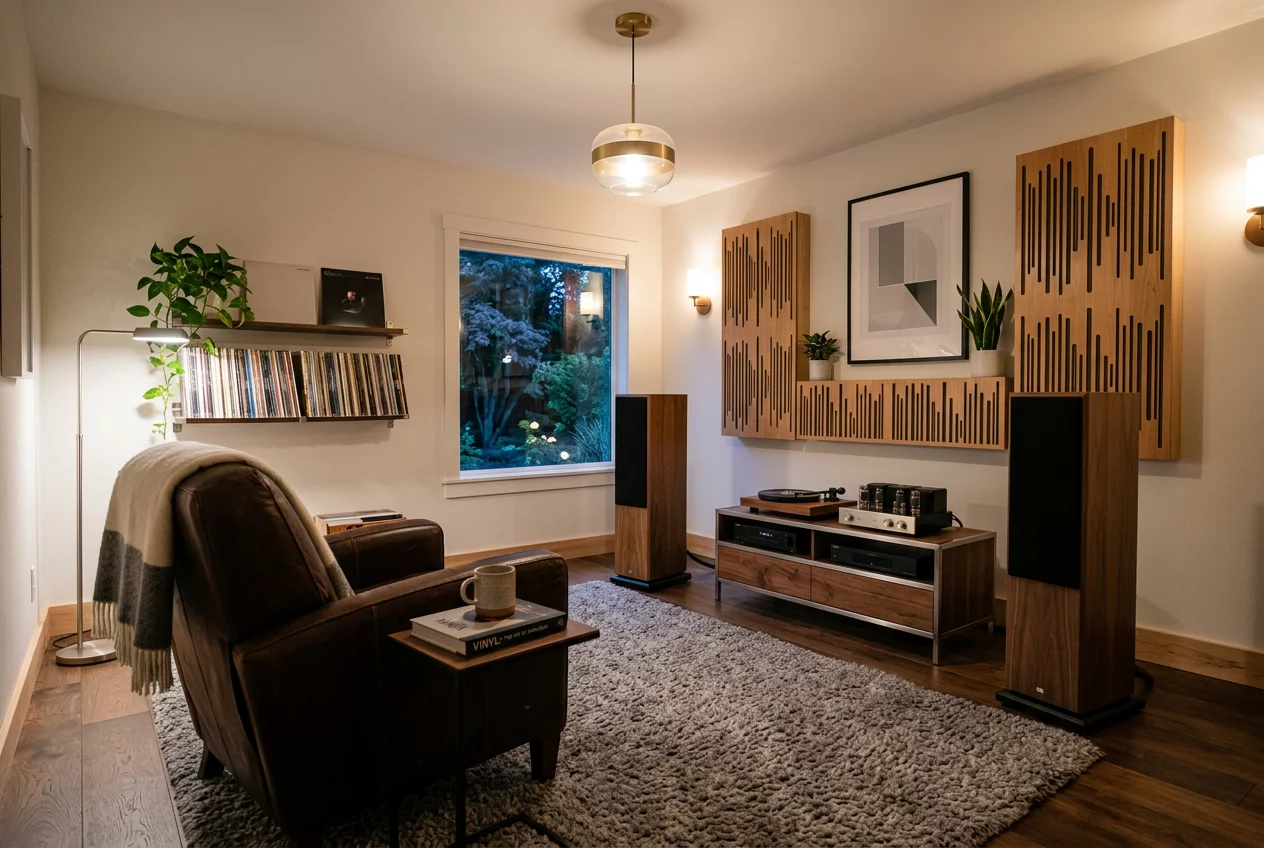
The Room as a Component
Many audiophiles spend thousands on speakers and amplifiers while ignoring the most influential component in the chain: the room itself. The physical space dictates how sound waves travel, reflect, and eventually reach the ears. A poorly optimized room can make expensive equipment sound muddy or harsh. Understanding basic acoustic principles allows for significant improvements without necessarily breaking the bank. The goal is to create an environment where the speakers can perform to their full potential.
Mastering Speaker Placement
Start with the placement of the speakers in relation to the primary listening position. The equilateral triangle remains the golden rule of stereo imaging. Place the two speakers and the listener's head at the three points of an equal-sided triangle. Ensure the speakers sit at least two feet away from the back and side walls to prevent excessive bass buildup. Angle the speakers slightly toward the listening chair, a technique known as toe-in, to sharpen the center image and soundstage. Small adjustments of just a few inches can dramatically change the clarity of the vocals.
Managing Reflections and Echo
Sound waves bounce off hard surfaces like bare walls, windows, and hardwood floors. These reflections arrive at the ear slightly after the direct sound from the speaker, causing phase interference and blurring the details. Identify the first reflection points on the side walls by using a mirror. Place acoustic panels or even thick curtains at these spots to absorb the energy. Use area rugs on hard floors to tame floor-to-ceiling reflections. Soft furnishings like fabric sofas and bookshelves filled with books also act as natural diffusers and absorbers.
Taming the Bass
Low frequencies are the hardest to manage because they tend to accumulate in the corners of the room. This results in 'boomy' bass that masks the midrange frequencies. Bass traps are specialized acoustic treatments designed to sit in corners and soak up excess low-end energy. If the room feels too bass-heavy, move the listening position away from the back wall, as bass pressure is highest against solid boundaries. Experiment with different spots in the room to find where the low end sounds tight and controlled rather than overwhelming.
The Role of Symmetry
Acoustic symmetry is vital for a balanced stereo image. If one speaker is near a window and the other is near a heavy curtain, the soundstage will lean to one side. Try to keep the left and right sides of the room as similar as possible in terms of furniture and treatment. If the room layout is asymmetrical, use the balance controls in software like Turnexedic to compensate for the difference. However, physical adjustments always provide a superior result compared to electronic fixes. Consistency in the environment leads to a more predictable and enjoyable sound.
Final Calibration Steps
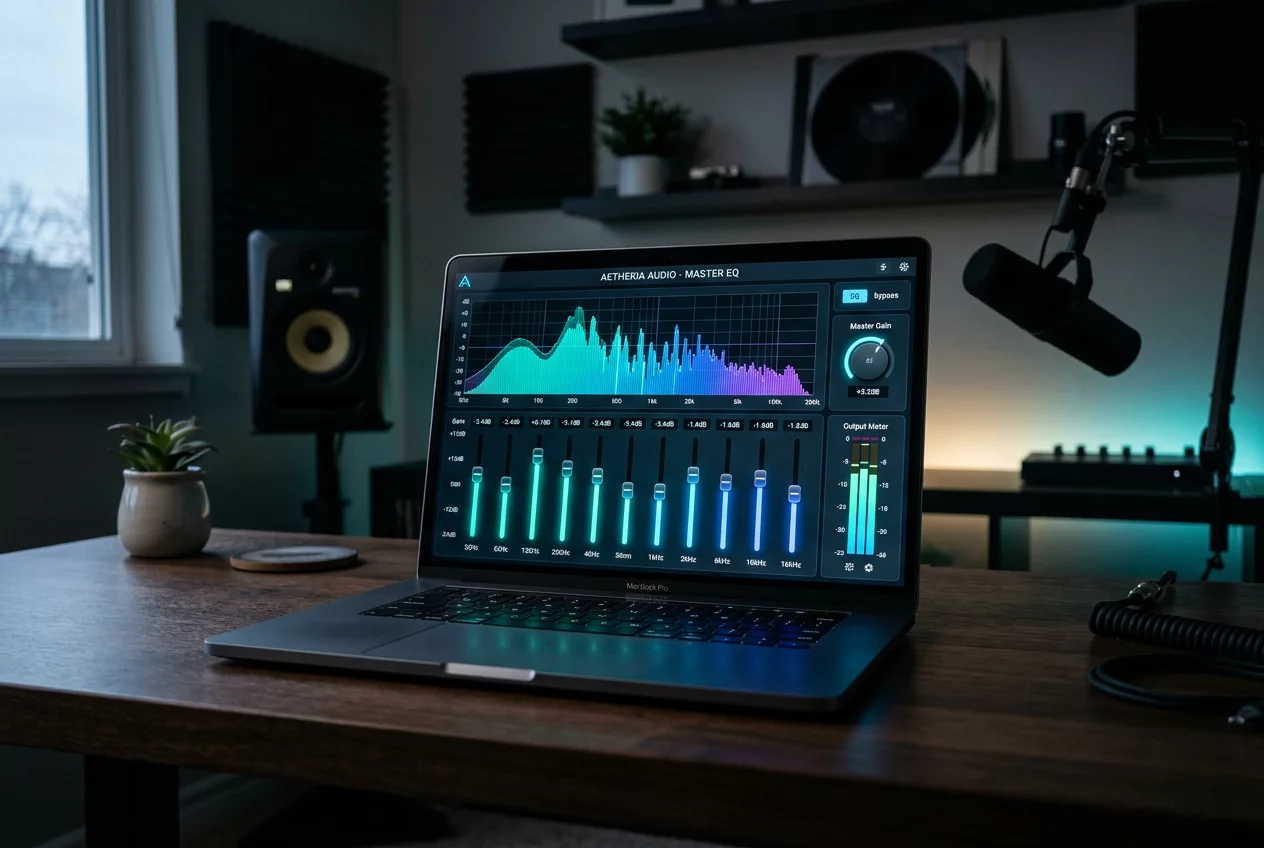
Use a measurement microphone and calibration software to see the actual frequency response of the room. This data reveals hidden peaks and dips that the ears might miss but the brain perceives as fatigue. Apply subtle room correction EQ to smooth out the most problematic areas. Walk around the room while playing a familiar track to hear how the sound changes in different zones. Sit back, close the eyes, and let the music fill the space. A well-treated room disappears, leaving only the performance behind.
Leave a reply
Your email address will not be published. Required fields are marked *

0 Comments