

“Robert Vance”
Janice SanchezBlog Details
The Evolution of Digital Sound: From MP3 to Hi-Res
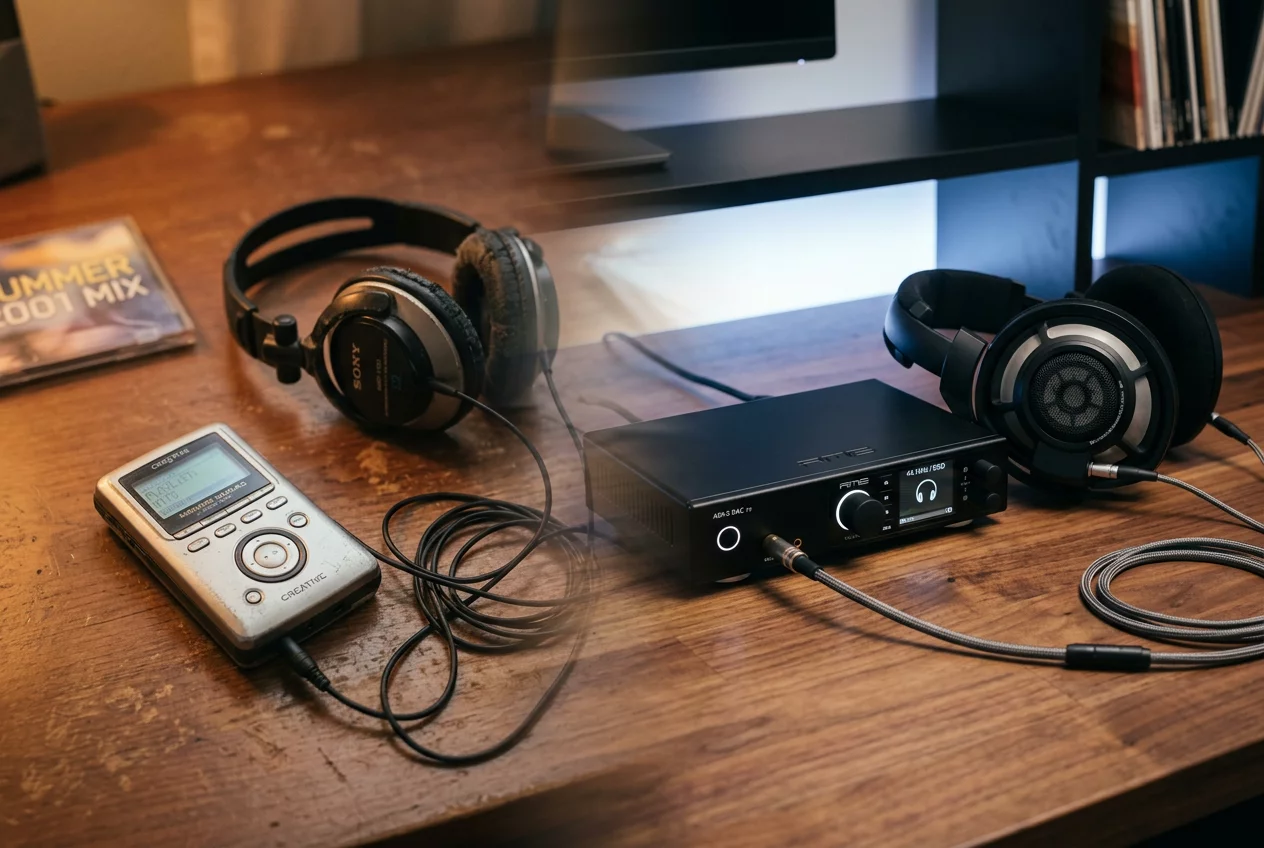
The Dawn of the Digital Revolution
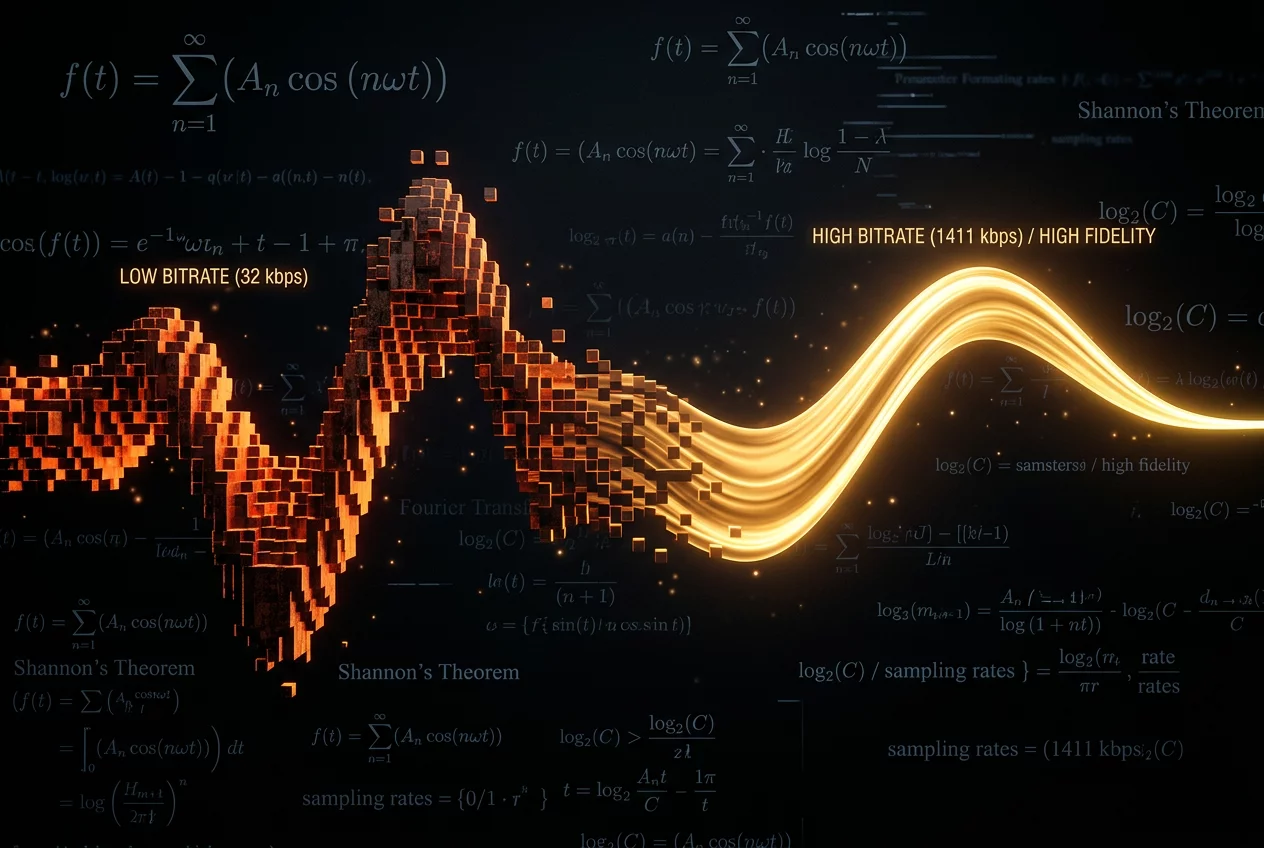
Digital audio transformed the way humanity consumes art. In the late 1990s, the MP3 format emerged as a disruptive force, allowing music to travel across the early internet. This era prioritized portability and download speed over absolute fidelity. The heavy compression of the MP3 removed frequencies deemed inaudible by psychoacoustic models, which made files small enough for the limited storage of early portable players. While the quality was a step down from CDs, the convenience was undeniable.
The Rise of Bandwidth and Quality
Internet speeds increased as the years progressed. This shift removed the necessity for extreme compression. Listeners began to demand better sound, leading to the adoption of higher bitrates and more efficient codecs like AAC. Streaming services initially launched with low-quality streams to save data, but they eventually transitioned to CD-quality offerings. The infrastructure of the web grew to support the massive data requirements of uncompressed audio, setting the stage for the next leap in the industry.
Defining Hi-Res Audio
Hi-Res audio refers to music that exceeds the technical specifications of a standard Compact Disc. A CD uses a 16-bit depth and a 44.1 kHz sample rate. Hi-Res formats typically start at 24-bit depth and 96 kHz or 192 kHz sample rates. These higher numbers allow for a greater dynamic range and a more accurate representation of the original analog signal. The subtle details of a recording, such as the decay of a piano note or the breath of a vocalist, become much more apparent in this high-definition space.
The Hardware Transition
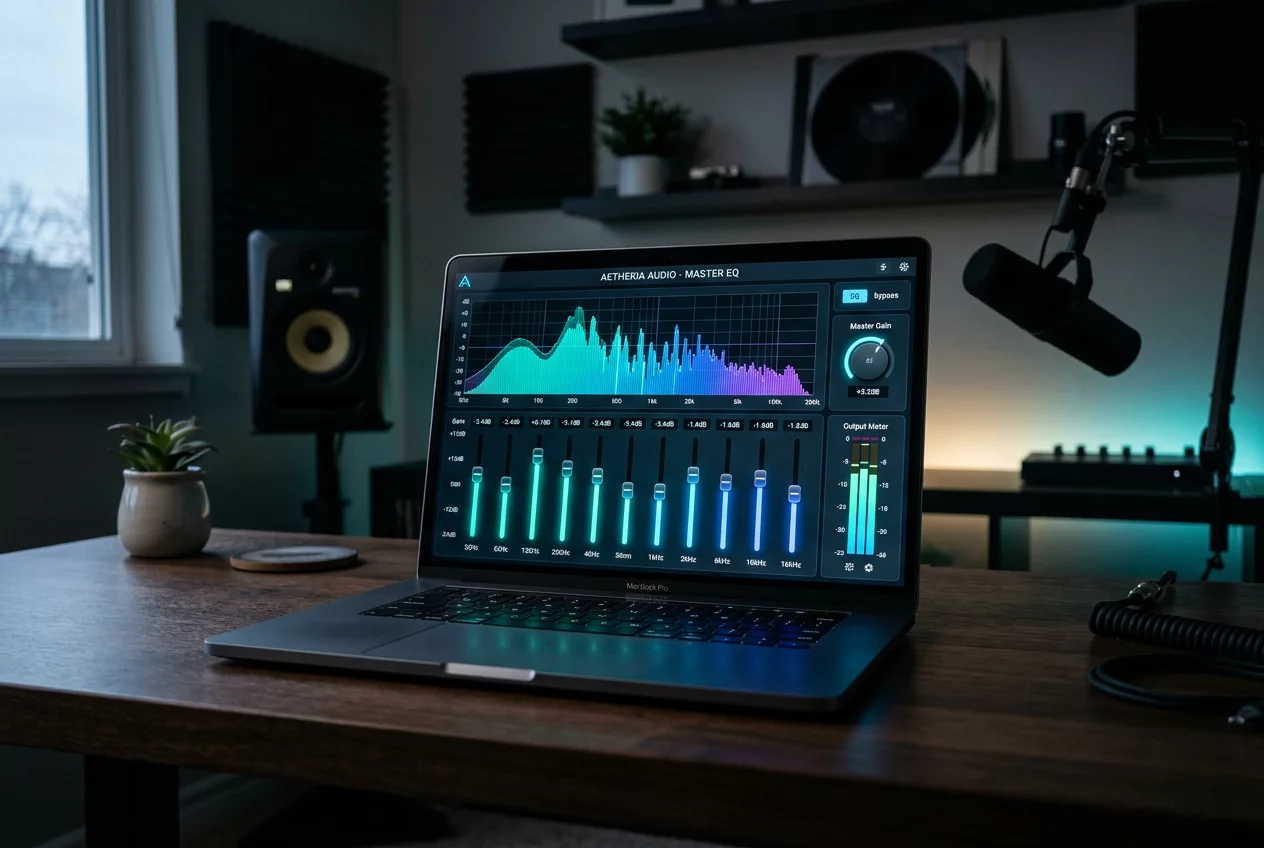
Listening to Hi-Res audio requires more than just high-quality files. The digital-to-analog converter (DAC) inside a standard smartphone often lacks the capability to process high-resolution data properly. External DACs and specialized high-fidelity players have become essential tools for enthusiasts. These devices handle the complex math required to turn digital bits back into smooth analog waves without introducing noise or jitter. The synergy between software like Turnexedic and high-end hardware ensures the listener hears exactly what the engineer intended in the studio.
Future Horizons of Sound
Immersive audio formats represent the current frontier. Technologies like spatial audio and object-based mixing provide a three-dimensional listening experience. Instead of simple stereo left and right channels, sounds are placed in a virtual space around the listener. This evolution continues to push the boundaries of how digital data translates into emotional experiences. The journey from the tinny sounds of early MP3s to the lifelike clarity of modern Hi-Res streams highlights the incredible progress of audio engineering.
Selecting the Right Source
Evaluate the source material before investing in expensive equipment. Not all recordings benefit equally from the Hi-Res treatment. Older recordings might have inherent noise that becomes more visible in high resolution, while modern orchestral works shine with the added dynamic range. Use reputable stores that provide verified high-resolution masters. Download a few sample tracks in different formats to hear the difference on the current setup. Build a collection that focuses on quality over quantity to truly appreciate the evolution of digital sound.
Leave a reply
Your email address will not be published. Required fields are marked *

0 Comments