

“Julian Hakes”
Marc WashingtonBlog Details
Essential Equipment for Every Audiophile's Home Setup
Building the Foundation of Fidelity
Entering the world of high-fidelity audio can feel overwhelming given the sheer amount of gear available. However, a great home setup does not require a room full of mysterious black boxes. It requires a thoughtful selection of components that work together in harmony. The goal of an audiophile system is transparency: the ability to hear the recording exactly as it was made, without the equipment adding its own 'flavor' or distortion. Focusing on the essential links in the signal chain ensures the best return on investment.
The Source and the DAC
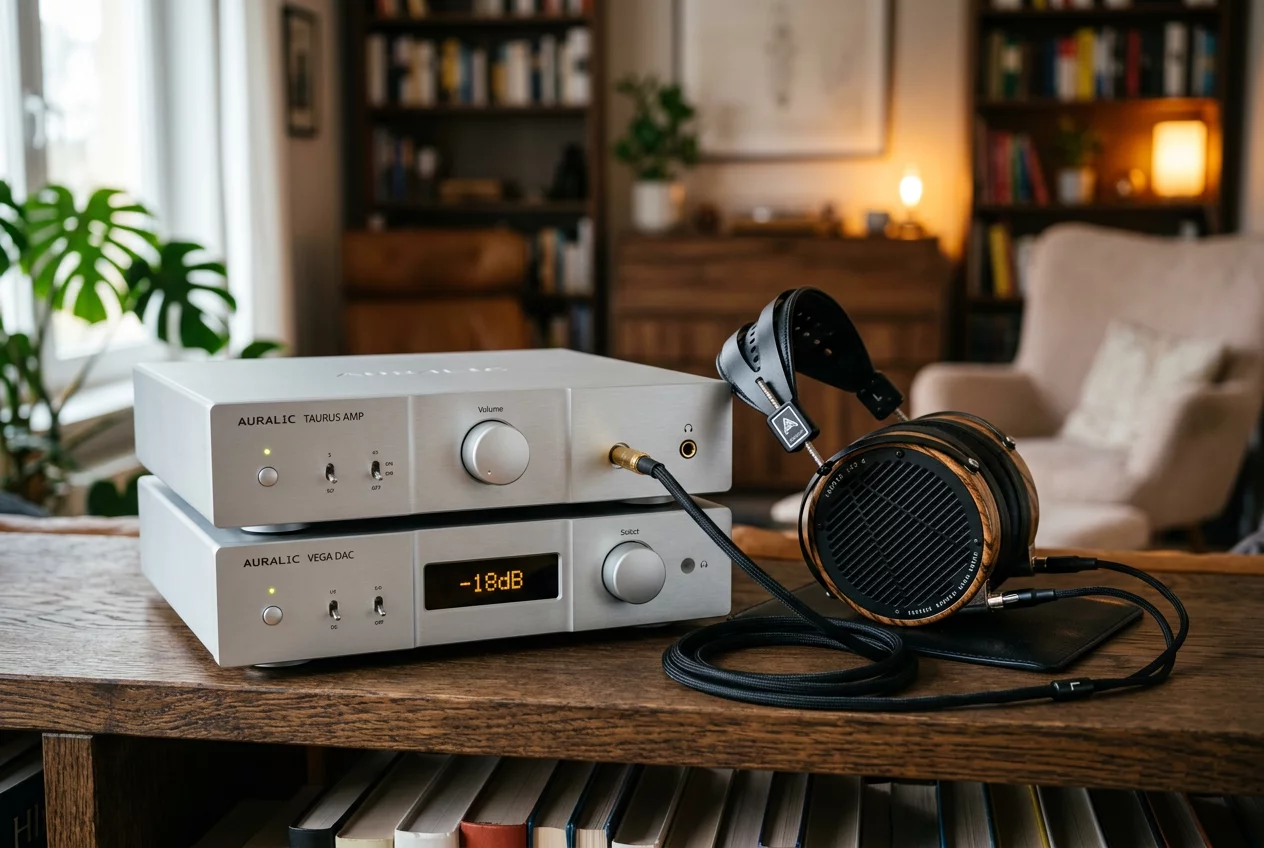
Every digital system begins with a source, which is usually a computer or a dedicated streamer running software like Turnexedic. The most critical component following the source is the Digital-to-Analog Converter (DAC). This device takes the zeros and ones of the digital file and converts them into an electrical voltage. While every phone and laptop has a built-in DAC, they are often cheap components prone to electrical noise. An external DAC provides a cleaner, more precise conversion, resulting in a wider soundstage and better instrument separation.
Amplification: Power with Control
Once the signal is analog, it needs to be strengthened to drive speakers or headphones. This is the job of the amplifier. A good amplifier provides enough power to handle the peaks in music without clipping or distorting. For headphone users, a dedicated headphone amp is often necessary for high-impedance models that a standard jack cannot power effectively. For speaker systems, the choice between integrated amplifiers and separate pre/power amps depends on the desired level of control and the sensitivity of the speakers. Look for an amp with a low noise floor to keep the quiet passages of music silent.
The Output: Speakers and Headphones
The speakers or headphones are where the electrical signal finally becomes physical sound. This is the most subjective part of the setup. Some listeners prefer the 'clinical' and detailed sound of studio monitors, while others enjoy the 'warmth' of traditional hi-fi speakers. When choosing speakers, consider the size of the room; large towers might overwhelm a small office, while tiny bookshelves might get lost in a large living room. For headphones, decide between open-back designs for a natural soundstage or closed-back models for isolation and punchy bass.
Cables and Connectivity
Cables are often the subject of intense debate, but their primary job is simple: to transfer the signal without interference. Use well-shielded interconnects to prevent hum from other electronic devices. Ensure that speaker cables are of a sufficient gauge for the distance they need to travel. While one does not need to spend a fortune on 'magic' silver wires, avoiding the thinnest, cheapest options is a wise move for a serious setup. Clean connections and proper cable management also help in maintaining the long-term health of the equipment.
The Importance of Power Quality
The electricity coming out of the wall is often 'dirty' due to interference from appliances and digital devices. This noise can seep into the audio signal. A simple power conditioner can help filter out this interference, providing a blacker background for the music. Avoid plugging sensitive audio gear into the same power strip as a refrigerator or a computer with a noisy power supply. By paying attention to the power source, the entire system can perform with greater clarity and less grain. Start with the basics and upgrade gradually as the ears become more attuned to the details.
Leave a reply
Your email address will not be published. Required fields are marked *
2 Comments
Ainsley Peterson
I'm looking to buy my first external DAC. Any recommendations for a desktop setup?
Amanda Patel
Check out some entry-level models from Schiit or Topping. They offer incredible value for the price!